Foot & Ankle Orthopedic Specialist in Fortaleza — English-Speaking Care
An ankle that twisted on a kite landing. A fracture from a fall on the beach. Pain that won't let you finish your trip. Get a clear diagnosis and treatment plan from an orthopedic foot & ankle surgeon with Brazilian specialist registration (CRM-CE 12791 · RQE 8590) — consultations available in English, no language barrier.
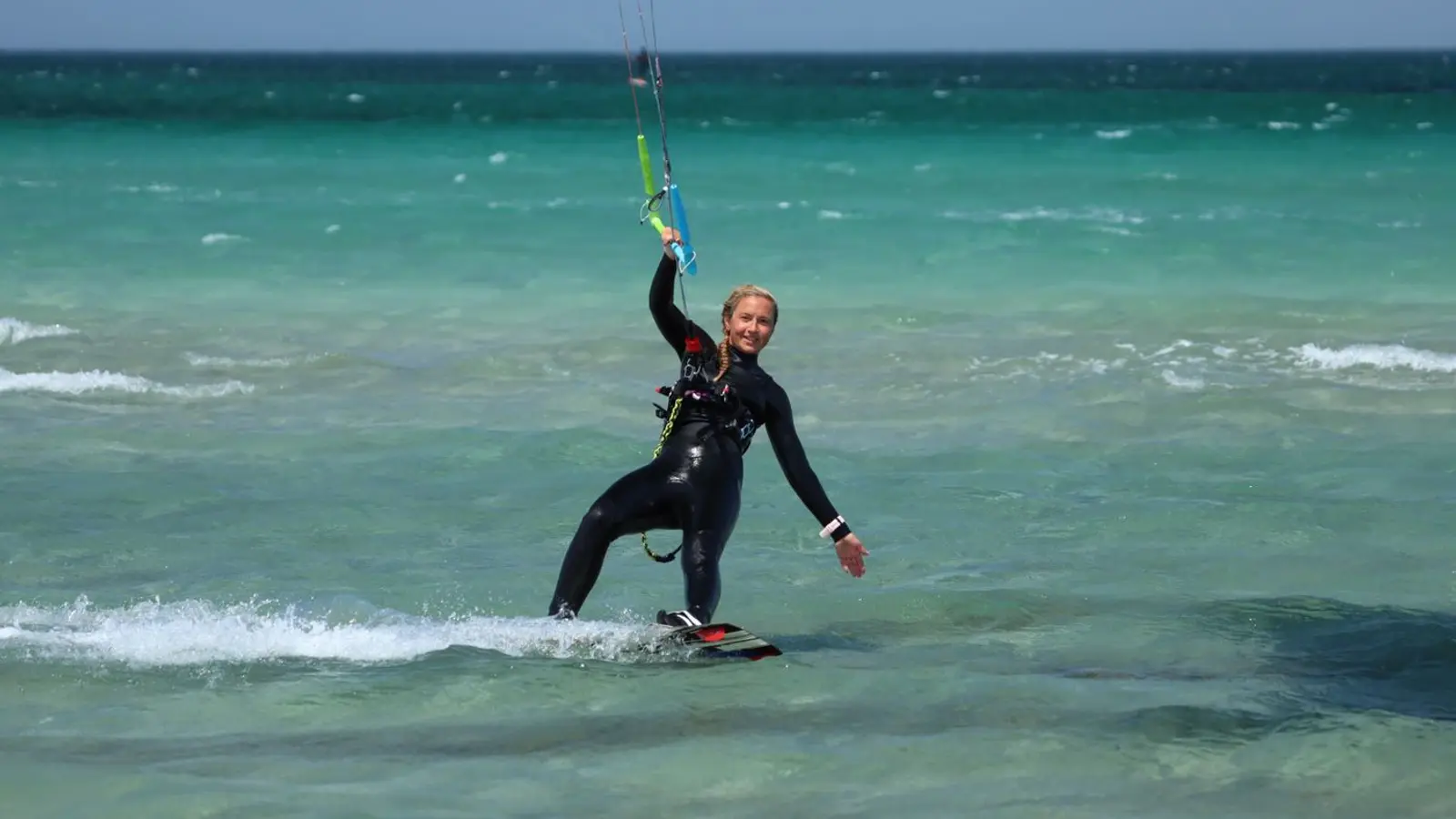
Injured during your trip to Ceará?
An injury in the middle of a trip raises questions a local patient would not have to ask: is it safe to fly with this injury, should treatment happen here or wait until you are home, and how much of the trip can still be saved. The first visit is built to answer all three, in plain English, without having to navigate an unfamiliar healthcare system on your own.
The evaluation starts with a precise diagnosis — physical examination, X-ray when indicated, and in-office ultrasound for tendon and soft-tissue injuries — followed by a plan you can actually act on. Many sprains and stable fractures are managed conservatively, with a brace, activity modification, and a follow-up schedule; that possibility is checked first, before surgery is ever part of the conversation.
The travel questions get a direct answer: whether flying is safe now or should wait, what immobilization is appropriate for the flight, and whether treatment can reasonably continue once you are home — with a written summary you can hand to your doctor there.
Kitesurf and beach sport injuries
Kitesurfing, surfing, beach volleyball, and beach running are part of daily life on the coast of Ceará — from Cumbuco and Taíba to Praia do Futuro and the Prea/Jericoacoara region — and they bring a recognizable set of foot and ankle injuries.
- Ankle sprains and fracture-sprains from hard kite landings — the ankle rolls under load, and distinguishing a sprain from a fracture is exactly what the exam and imaging are for.
- Fifth metatarsal fractures, from a foot catching the board rail or the sand at an angle.
- Achilles tendon overload after repeated jumps or long sessions, felt as pain and stiffness at the back of the heel.
- Plantar heel pain from running barefoot or in minimal footwear on sand.
None of these require guessing. Each has a recognizable exam pattern, and the plan follows from what the exam and imaging actually show — not from the sport alone.
Causes, evidence-based prevention, red flags, and how a consultation works if you are injured during your trip.
Telemedicine — follow-up and second opinion from anywhere
Not every question needs an in-person visit in Brazil. Video consultations, in English or Portuguese, are available for:
- An initial evaluation of a foot or ankle problem, to understand what it might be and what to do next.
- A second opinion on a diagnosis or treatment plan you already received elsewhere.
- Planning a visit to Brazil in advance — what to bring, what exams may already be useful, and what to expect from the first in-person appointment.
- Follow-up after you return home from an in-person evaluation or treatment here.
Telemedicine has limits, and they are part of the consultation, not a surprise afterward: some findings can only be confirmed with a hands-on exam or imaging done in person, and when that is the case, it is said plainly during the call, along with what the next concrete step should be. See the teleconsulta page (in Portuguese) for more detail.
About Dr. Caio Fábio
Dr. Caio Fábio is a foot & ankle orthopedic surgeon (CRM-CE 12791 · RQE 8590), fellowship-trained in minimally invasive foot surgery (IRCAD) and in ankle arthroscopy and ligament reconstruction (Arthrex, Naples, USA), with postgraduate training in pain intervention and regenerative medicine.
He sees patients at two locations, both with on-site parking: Clínica Qorpo, in Meireles, Fortaleza, and the Medical Center Eusébio, in Eusébio. Ultrasound-guided procedures, when indicated, are performed in office rather than requiring a separate visit elsewhere.
Beyond visiting kitesurfers and other tourists, he also welcomes Brazilians living abroad — including those based in the United States — who want to plan an in-person evaluation, a second opinion, or treatment during a trip back home.
Frequently asked questions
Do I need to speak Portuguese?
No. Consultations are available in English, so you can describe your injury and understand your treatment plan without a language barrier.
Can I fly home after an ankle injury?
It depends on the injury. The evaluation defines what is safe, and includes guidance on flying — for example, whether you need a brace, elevation, or a short delay before your flight.
Do you treat tourists without Brazilian insurance?
Yes, private consultations are available. Details on how to arrange your visit are shared directly via WhatsApp.
How soon can I be seen after an injury?
As soon as scheduling allows, usually within the same week. If there is visible deformity, you cannot bear weight on the foot, or there is an open wound, go to an emergency room immediately rather than waiting for a scheduled appointment.
Where are the clinics?
Clínica Qorpo, Av. Senador Virgílio Távora, 195, Meireles, Fortaleza/CE, 60170-265; and the Medical Center Eusébio, Av. Eusébio de Queiroz, 4808, Sala 201, Centro, Eusébio/CE, 61760-051. Both locations have on-site parking.
How do I book a consultation?
Message us on WhatsApp — English is welcome. We will help you find the right time and location for your visit.
Ready to get evaluated?
Message us on WhatsApp in English and we will help you plan your visit.
This page is for informational purposes only and does not substitute an in-person medical consultation.